



 When looking for precision sheet metal prototyping services, if you want to manufacture satisfactory parts, you cannot miss our company.
Our custom sheet metal prototyping services offer a fast and cost-effective solution for your projects. Services include bending, punching, and cutting standard gauge metal for both prototypes and low-volume production runs. Sheet metal fabrication produces durable, end-use metal parts with a wide selection of materials and finishes that meet your specifications, for a variety of industries like Automotive, Medical devices, Aerospace, electronics, energy, and robotics.


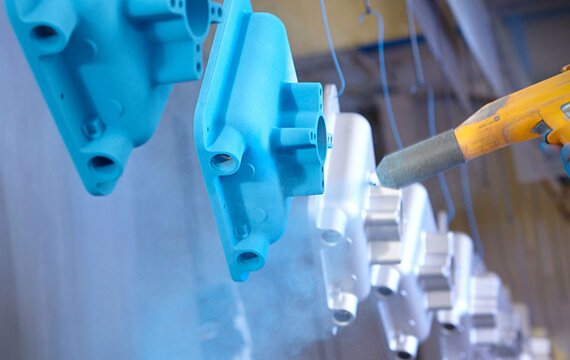





 SECC galvanized steel plate
SECC is a zinc plate, which is made of “SPCC cold-rolled steel plate” as raw material, and the surface is energized to plate the zinc layer to achieve the functions of anti-rust, anti-corrosion, and anti-acid. This board is often used in the electronics industry, such as in computer cases.
Material characteristics: beautiful appearance, good spray coating, mostly used in communication or PC products. The disadvantage is that the cut surface is not protected by a zinc layer, which is easy to rust.
Common thickness: 0.5 ~ 2.0 mm
Common surface treatment: no treatment or baking paint, including powder baking paint or liquid baking paint


1. SGCC refers to: hot-dip galvanized thin steel sheet
2, SGCC meaning: S-Steel G- galvanized Galvanized C- Cold rolled C-Common ordinary grade
3. Features:
(1) Corrosion resistance;
(2) lacquerability;
(3) formability;
(4) Spot weldability.
4. Uses: extremely extensive, small household appliances, other sheet metal occasions with high general corrosion resistance.
SGCC hot-dip zinc plate
SGCC material is made of SPCC or SPHC steel plate into the hot zinc groove to galvanize the zinc, the surface of the zinc layer is thicker, and the zinc layer has different surfaces. 1. Ultra-smooth surface (flowerless) 2. General zinc flower (large flower) 3. Microscopic zinc flowers (florets)
Material characteristics: anti-rust, corrosion-resistant part is more durable than the SECC zinc steel plate. Generally used in home appliances such as refrigerators, washing machine accessories, or other exterior accessories.
Common thicknesses:
No flowers 1.0 ~ 1.2 mm
There are flowers 1.6 ~ 4.0 mm
Common surface treatment: The original material does not need to be processed

 SPCC cold rolled steel plate
Steel offers a number of beneficial properties for industrial applications, including rigidity, longevity, heat resistance, and corrosion resistance. Steel sheet metal is ideal for producing complex designs and parts that require extreme precision. Steel is also cost-efficient to work with and has excellent polishing properties.
The most widely used material on the market is the “SPHC hot rolled steel plate” after film processing and a series of professional extension processing iron plates, so it is called the “cold-rolled steel plate”, also known as “light plate”.
Material characteristics: the appearance is very smooth and the tensile ductility is good, and the range of use is very wide. Commonly used in internal components, mechanical shells, or other metal parts with non-structural requirements.
Subtypes: SPCC, 1018
Common thickness: 0.5mm ~ 3.2mm
Common surface treatment: baking paint, electroplated

 SPHC hot plate plate
Steel sheet processed by high-temperature extension. The appearance is highly recognizable, there is a layer of black carbonization layer, sintering or spot welding is not easy, and film processing is also required before baking paint to remove the carbonization layer. The industry is known as “black leather board”.
Material characteristics: mostly thick plates and rough surfaces, less important products or mechanical parts, etc., usually use such plates.
Common thickness: 2.0mm ~ 12.0mm
Common surface treatment: baking paint, electroplated
 Commercially, aluminum is the most sought-after material for sheet metal manufacturing. Its popularity is due to its adaptive qualities and its high thermal conductivity and low resistance rates. Compared to steel—another common sheet metal material—aluminum is more cost-effective and has a higher rate of production. The material also generates the least amount of waste and can easily be reused.
Subtypes: 6061, 5052
More Details>>
 Stainless steel is the low carbon steel that contains a minimum of 10% chromium by weight. The material properties associated with stainless steel have made it a popular metal within a broad range of industries, including construction, automotive, aerospace and more. Within these industries, Stainless steel is versatile and is an effective choice for many applications.
Subtypes: 301, 304, 316
More Details>>

Copper is a broadly used sheet metal fabrication material in many industries as it offers good malleability and ductility. Copper is also well suited for sheet metal fabrication because of its excellent heat conduction properties and electrical conductivity.
Subtypes: 101, C110
More Details>>

Brass has desirable properties for a number of applications. It is low friction, has excellent electrical conductivity and has a golden (brass) appearance.
Subtypes: C27400, C28000
More Details>>